World-class heart care at New Healing Stream Specialist Hospital. Our cardiology team specialises in the prevention, diagnosis, and treatment of all forms of heart and cardiovascular disease, delivering evidence-based care with deep compassion.
The Cardiology Department at New Healing Stream Specialist Hospital provides comprehensive, patient-centred care for all conditions affecting the heart and cardiovascular system. Our team of board-certified cardiologists, trained at leading institutions in Nigeria and internationally, applies the latest evidence-based approaches to deliver outstanding outcomes for every patient.
We work closely with our Internal Medicine, Radiology, and Intensive Care teams to provide integrated, multidisciplinary cardiovascular care. Whether your concern is preventive — managing risk factors before they become serious — or therapeutic, addressing an acute or chronic cardiac condition, our department is equipped and experienced to help you achieve the best possible heart health.
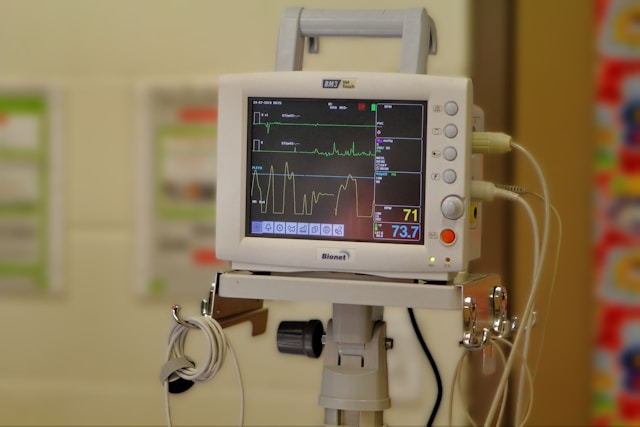
Our Cardiology Unit — equipped with modern diagnostic and monitoring technology
What We Offer
Our Cardiology Services
We provide a complete range of diagnostic, monitoring, and management services for cardiovascular conditions.
Electrocardiogram (ECG)12-lead resting ECG and ambulatory (Holter) cardiac monitoring for arrhythmia detection.
Echocardiography2D and Doppler echocardiography to assess heart structure, function, and valve integrity.
Hypertension ManagementComprehensive evaluation and personalised treatment plans for high blood pressure and its complications.
Heart Failure CareDiagnosis, optimisation of therapy, and long-term monitoring for patients with heart failure.
Arrhythmia ManagementAssessment and medical management of irregular heart rhythms including atrial fibrillation.
Lipid Disorder ManagementDiagnosis and treatment of high cholesterol and other lipid abnormalities that increase cardiac risk.
Cardiac RehabilitationStructured exercise and lifestyle guidance programmes for patients recovering from cardiac events.
Preventive CardiologyRisk stratification and proactive management to prevent first or recurrent cardiovascular events.
Conditions We Treat
Cardiac Conditions We Manage
Our cardiology team has expertise in managing a wide spectrum of heart and vascular conditions, including:
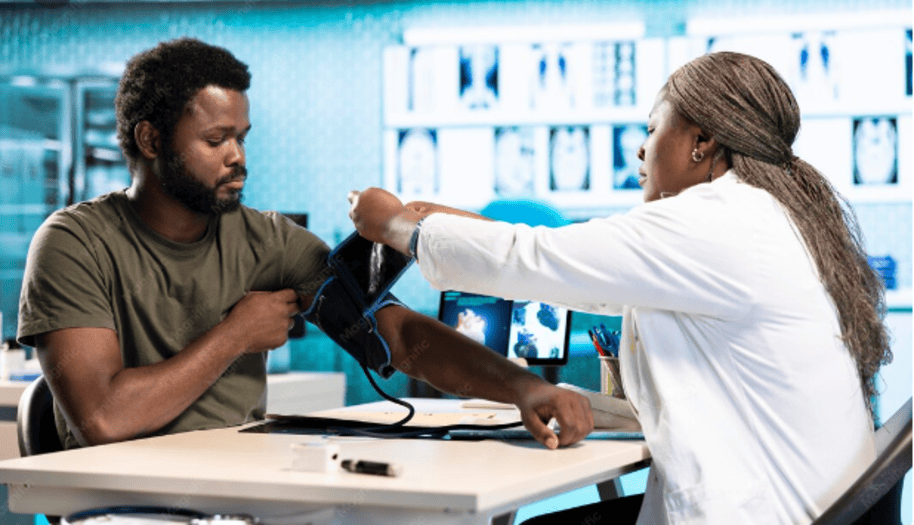
Our cardiologists conduct thorough consultations to develop personalised treatment plans
Common Questions
Frequently Asked Questions
Answers to questions our patients most commonly ask about cardiology care at New Healing Stream Specialist Hospital
You should see a cardiologist if you experience chest pain, shortness of breath, palpitations, dizziness, or unexplained fainting. You should also seek a cardiology consultation if you have been diagnosed with hypertension, diabetes, or high cholesterol, have a family history of heart disease, or are recovering from a cardiac event such as a heart attack.
Your first visit will include a detailed medical history review, a physical examination, and a discussion of your symptoms and risk factors. Depending on your presentation, your cardiologist may request an ECG, blood tests, or an echocardiogram during or shortly after your initial consultation. Please bring any previous medical reports, medications, or test results with you.
An ECG (Electrocardiogram) is a completely painless, non-invasive test that records the electrical activity of your heart. Small electrode stickers are placed on your chest, arms, and legs, and the machine produces a tracing of your heart rhythm in just a few minutes. There is no discomfort involved.
Yes. New Healing Stream Specialist Hospital is registered with and accepts all major Health Maintenance Organisations (HMOs) and private health insurance plans operating in Nigeria, including NHIA/NHIS. Please visit our Private Health Insurance desk or call us for plan-specific enquiries before your appointment.
The most impactful lifestyle changes for heart health include maintaining a balanced, low-sodium diet rich in fruits, vegetables, and whole grains; engaging in at least 150 minutes of moderate aerobic exercise per week; achieving and maintaining a healthy weight; quitting smoking; limiting alcohol intake; managing stress; and attending regular health check-ups to monitor blood pressure, blood sugar, and cholesterol levels.
Book a Cardiology Appointment
Complete the form and our team will confirm your slot within 2 hours during working hours.
Department Information
Operating HoursMon – Fri: 7:00 am – 6:00 pm Sat: 9:00 am – 1:00 pm
Appointment Line+234 703 801 3788
LocationGround Floor, Block B Off Kilometer 5, Owerri, Orlu road, Egbeada, opposite IFECHIN fuel station, Owerri.
Emailcontact@healingstreamhospital.com
Cardiac Emergency?
If you are experiencing chest pain, difficulty breathing, or a suspected heart attack — call us immediately. Do not wait.